
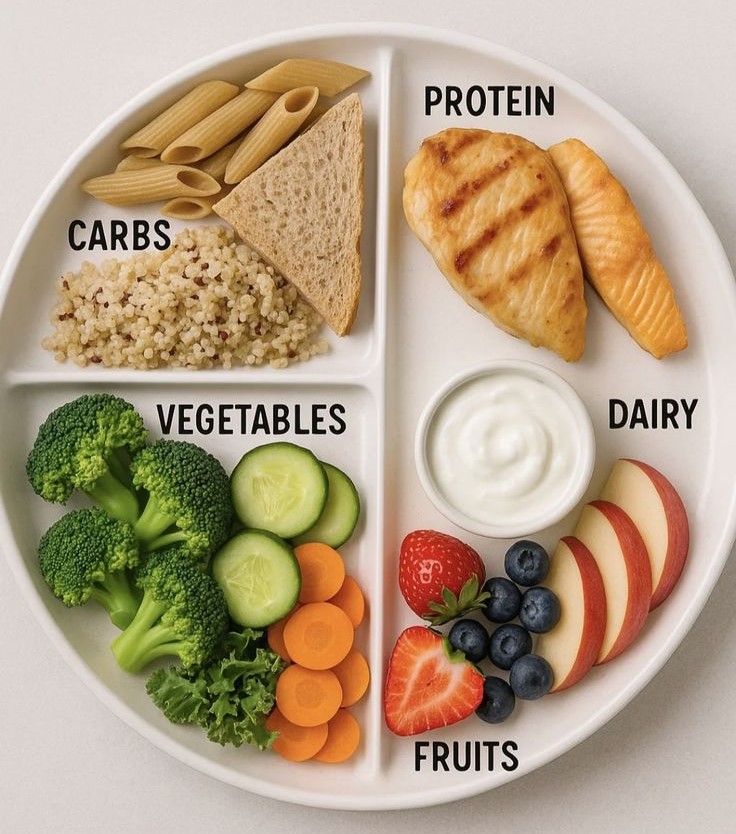
Why You Need a Diet Plan Chart for Weight Gain
Understand calorie surplus & macronutrients
Gaining weight healthily means eating more calories than you burn, combined with enough protein and nutrient-dense foods. According to the NHS, adults who want to gain weight could try adding around 300 to 500 extra calories per day.
Protein and calorie-dense foods matter
High‐calorie, high‐protein diets support weight gain by providing the building blocks for new tissue and increased body mass.
Meal frequency & consistency
Eating smaller but frequent meals (e.g., every 3-5 hours) helps maintain appetite and steady calorie intake.
How to Use This Diet Plan Chart
Determine your targets
- First estimate your maintenance calories, then add ~300-500 extra calories/day (for gradual weight gain) as recommended.
- Aim for a protein intake that supports growth and repair—many guidelines suggest a higher‐protein diet when trying to gain weight.
Adjust for your body & goals
Your age, gender, activity level (especially gym/training) will affect how many calories/protein you need.
Track & tweak
Track your meals, calories and progress weekly. If you aren’t gaining weight, slightly increase calories or revisit meal frequency and quality.
Sample Diet Chart for Weight Gain
Here’s a meal-wise table with sample foods, approximate calories and protein to guide you. You can adapt portion sizes, food items and preferences (e.g., vegetarian) to your context.
| Meal Time | Food Items (example) | Approx. Calories | Approx. Protein |
| Breakfast | Whole-milk oatmeal (1 cup) + 1 banana + 1 Tbsp peanut butter | ~550 kcal | ~18–20 g |
| Mid-morning Snack | Smoothie: whole milk (1 glass) + 2 Tbsp almond butter + dates | ~350 kcal | ~10–12 g |
| Lunch | Brown rice (1.5 cups) + dal (1 cup) + paneer curry (100g) + salad | ~700 kcal | ~28–30 g |
| Afternoon Snack | Greek yogurt (200 g) + mixed nuts (30g) | ~300 kcal | ~12–15 g |
| Pre-Dinner Snack | Avocado toast + 1 glass full-fat milk | ~400 kcal | ~8–10 g |
| Dinner | Chapatis (2) + grilled chicken or tofu (150g) + veggies + ghee | ~650 kcal | ~30–32 g |
| Bedtime Snack | Warm milk (300 ml) + 1 Tbsp honey + 2 walnuts | ~250 kcal | ~8–9 g |
| Total (approx.) | ~3,200 kcal | ~115-130 g |
Note: These are approximate numbers. Adapt according to your size, metabolic rate and activity. If your maintenance is lower, you might aim for ~2,500-3,000 kcal rather than 3,200.
Foods to Focus On & Foods to Avoid
Calorie- & nutrient-dense foods to include
Foods like nuts, seeds, full-fat dairy, whole grains, lean meats or legumes, and healthy oils are ideal for gaining weight in a nutritious way.
Foods & habits to avoid
Avoid relying on empty-calorie junk (sugary drinks, overly processed snacks). While they add calories, they don’t support healthy weight gain and nutrient balance.
Snack & portion-boost tips
- Add a handful of nuts or nut butter between meals
- Choose full-fat milk or dairy
- Use healthy oils / ghee in cooking
- Drink high-calorie smoothies rather than filling up on water before meals
Link to Specialised Diet Charts
For more tailored plans by goal or diet preference, check out our linked pages below:
- 10 kg Weight Gain Diet Chart for Female
- Diet Chart for Weight Gain in 7 Days
- Gym Diet Chart for Weight Gain
- Veg Diet Chart for Weight Gain
FAQs
- How many extra calories do I need to gain weight?
About 300-500 extra calories/day can support gradual, healthy weight gain. - Do I need to lift weights or exercise to gain weight?
Exercise (especially resistance training) helps ensure weight gained is muscle, not just fat. Nutrition alone will increase weight, but muscle growth is optimized with training. - Can vegetarians follow this diet to gain weight?
Yes — by choosing plant proteins (legumes, tofu, paneer, nuts), full-fat dairy and whole grains you can match calorie & protein targets. - How often should I eat?
Aim for 3 main meals plus 2-3 snacks throughout the day to maintain a steady intake. - Is it okay to drink lots of fluids with meals?
Try to avoid large volumes of low-calorie fluids before meals as they may reduce appetite and calorie intake.
Final Thoughts
Gaining weight in a healthy, controlled way is about nourishment, consistency, and smart choices—not just “eating more”. Use this diet plan chart from HMDishDelights as your roadmap: stay consistent, track, adjust as needed, and pair with some form of activity (especially strength training) for best results. Link to the specialised diet pages above and build your personalised plan. You’re on your way to healthy growth—one meal at a time.
